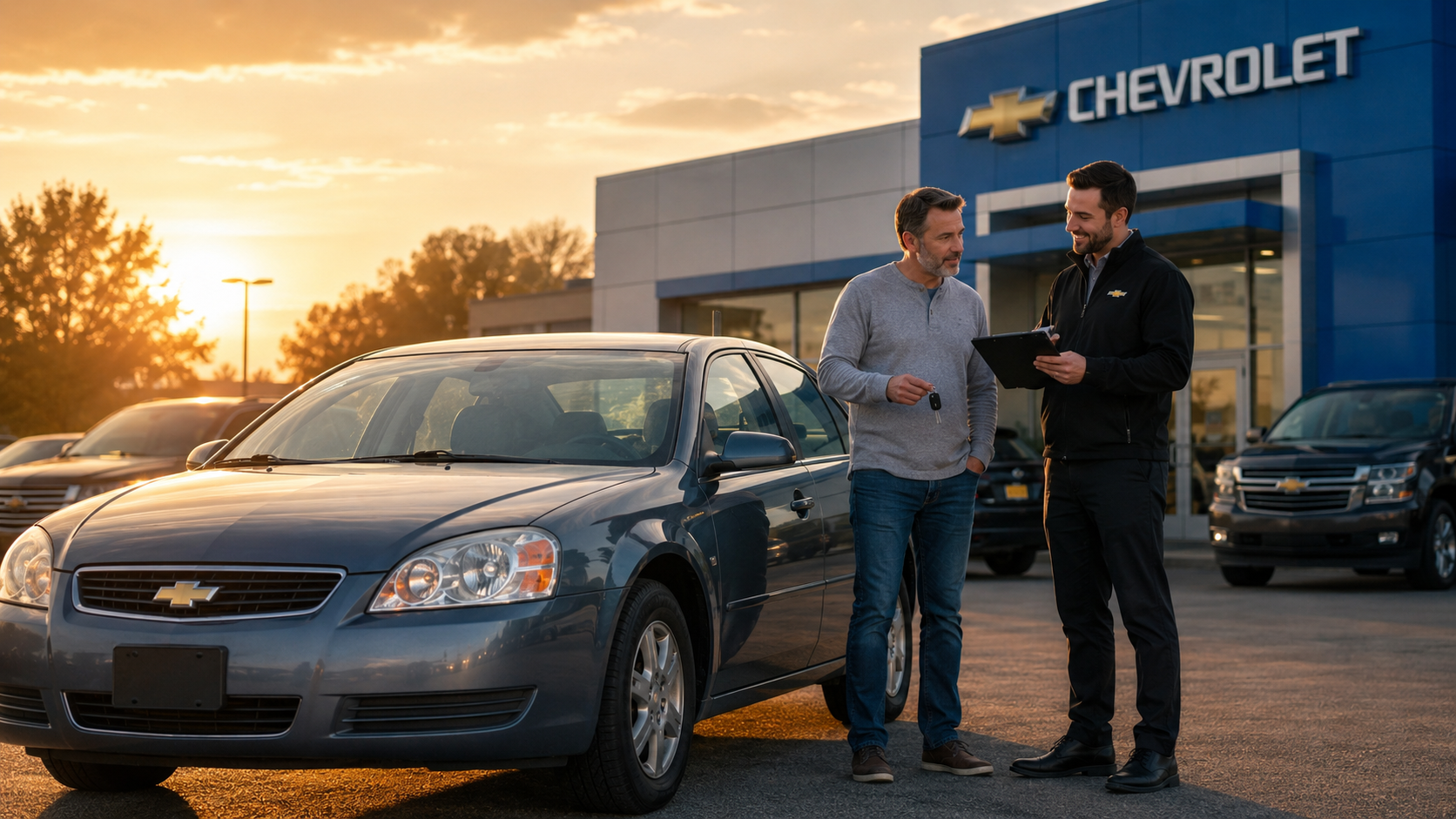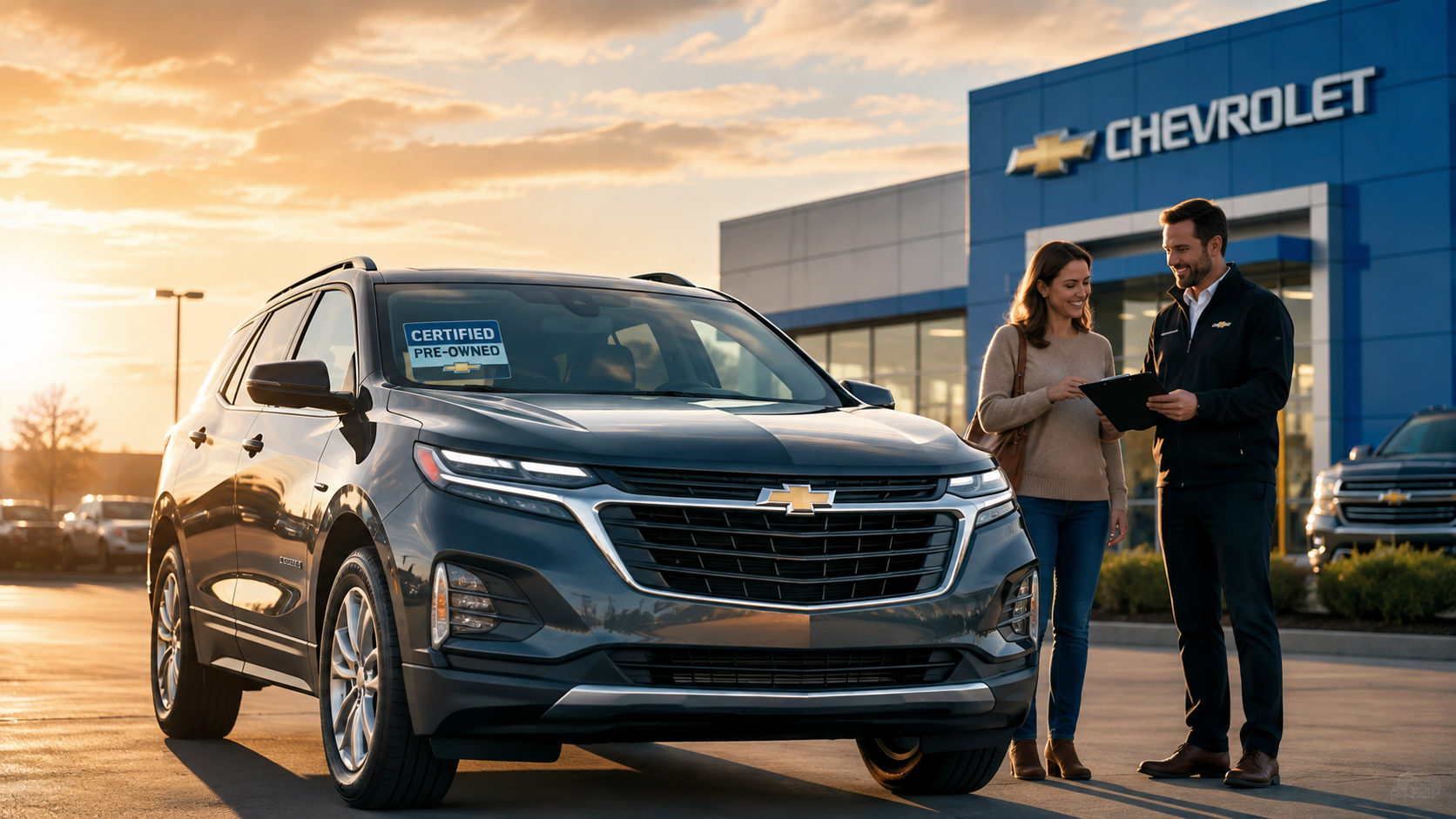

Certified Pre-Owned Car Benefits vs. New By Serpentini Auto Group Editorial Team · Updated 2026-08-06 New vehicles deliver full manufacturer warranties and zero prior use, while certified pre-owned models, like those inspected. Backed by Serpentini Auto Group, offer lower prices, extended warranty coverage, and vehicles typically returned from three-year leases. CPO buyers get near-new reliability at reduced cost; new-car buyers pay a premium for untouched ownership history. Key Takeaways Certified pre-owned vehicles undergo manufacturer inspections and come with extended warranties unlike standard used cars. New cars offer the advantage of being driven by only one owner with access to latest features. Serpentini Auto Group in Strongsville, Ohio provides CPO options that balance cost savings with reliability assurance. Used vehicles demonstrate proven reliability through years of real-world use before purchase consideration. What Sets a Certified Pre-Owned Car Apart? A prior lease return, inspected and reconditioned by a dealership, defines a certified pre-owned vehicle. Most Certified Pre-Owned car benefits trace back to this inspection process, which addresses maintenance and wear issues before the vehicle reaches a lot. That step separates CPO inventory from a standard used car sold without dealership review. Buyers weighing cost against confidence often land on CPO for a reason: the vehicle has already passed through a formal check, not just a visual once-over. Why does a CPO inspection matter to buyers? Inspection matters because it catches problems before a customer discovers them on the road. A vehicle returned from a three-year lease has known mileage. Service history, giving the dealership a clear baseline for repairs. That process reduces the guesswork buyers usually accept with private-party used purchases. Serpentini Auto Group applies this standard across its own lineup. The dealer group offers new, used, and Certified Pre-Owned vehicles across locations in Strongsville, North Olmsted, Medina, Orrville, Westlake, Tallmadge, and Willoughby Hills, plus its Florida location. Shoppers comparing a new model against a CPO alternative can evaluate both at the same dealer group, under one roof. Does dealership history affect trust in a CPO purchase? History plays a real role in how much confidence a buyer places in a used vehicle. Serpentini Auto Group has operated for over 47 years as a family-owned business, built around customer and employee priorities rather than short-term sales targets. That track record extends further back in daily practice: the company has spent more than four decades helping customers find the right vehicle. Longevity alone doesn't guarantee quality, but it does signal consistency in how a dealership handles inspection standards and customer service over time. Buyers cross-shopping new and CPO vehicles gain more clarity when the dealership behind the certification has decades of documented operating history. How Strong Is CPO Warranty Coverage at Serpentini? Coverage at Serpentini Auto Group runs deep, backed by a 20-year/200,000-mile warranty on new vehicles and 2-year/100,000-mile protection on used models. Shoppers who skip warranty comparisons risk absorbing repair bills that a certified vehicle would have covered. That gap matters most in the years right after a lease-return car changes hands, when wear issues tend to surface. Serpentini's inventory of over 1,500 vehicles across seven locations gives buyers room to match a warranty term to their budget and driving habits. Certified pre-owned car benefits extend beyond the paperwork. Industry-wide, CPO programs typically layer on extended coverage, raise the mileage cap toward 100,000 miles, and include roadside assistance for the length of that period. Serpentini's used-vehicle warranty reflects this same structure, giving buyers a defined mileage ceiling instead of an open-ended guessing game about what breaks and when. What happens after the warranty is signed? Ownership support doesn't end at delivery. Certified service centers and five collision facilities back every purchase. Mechanical issues and body repairs stay within the dealership network rather than requiring a search for outside shops. That structure keeps maintenance records consistent, which matters later if the vehicle is resold or traded. Does Serpentini stay involved after the sale? Yes. The dealership treats the sale as the start of the relationship, not the end of it. Serpentini continues to prioritize customer satisfaction long after the purchase, aiming to keep every buyer engaged with the group for service, trade-ins, and future purchases. Coverage Type Term New vehicle 20 years / 200,000 miles Used vehicle 2 years / 100,000 miles For buyers weighing risk against price, that combination of warranty length, service access, and ongoing dealership support answers the reliability question directly: coverage doesn't stop at the sale. Can You Trust a CPO Vehicle's History? Vehicle history verification forms the backbone of any certification process, and the concept is far from new. Certification of used cars traces back to the late 1950s, when Studebaker urged shoppers to buy certified vehicles from its dealer network. That history matters for buyers today: decades of refinement have shaped the inspection and documentation standards behind modern Certified Pre-Owned Car Benefits. What Makes a CPO Vehicle's Background Different From a Regular Used Car? Ownership and service records receive far more scrutiny under a certification program than under a standard used-car sale. Dealerships handling CPO inventory typically document a vehicle's condition. History before it reaches the lot, giving buyers a documented starting point rather than a guess. This traceable record is part of what separates certified inventory from an unverified private-party purchase. Serpentini Auto Group reinforces that transparency from the acquisition side as well. The dealership group buys vehicles from sellers even when those sellers don't purchase a replacement in return. That policy applies broadly: Competitive offers extend to cars, trucks, and SUVs alike Sellers aren't required to trade in or finance a new purchase Vehicles enter inventory through a documented acquisition process rather than an anonymous listing Does a Long Certification History Mean Better Reliability Today? Longevity alone doesn't guarantee reliability, but it does signal an established, tested process. A certification concept that has existed since the late 1950s has had decades to mature into today's structured inspection and disclosure standards. Buyers weighing a CPO purchase against a brand-new vehicle can treat that history as evidence the process has been refined, not improvised. Shoppers comparing a certified vehicle's background to an unverified used car should ask one direct question: where did this vehicle come from, and who verified its history? A dealership willing to buy vehicles outright, independent of any sale, demonstrates confidence in its own evaluation process. Is a Brand-New Car Worth the Premium? A brand-new car earns its price tag for buyers who value being the vehicle's sole driver. Want access to the newest available features. That guarantee carries real weight. No prior owner's habits, no hidden wear, no guesswork about how the engine was treated during cold Ohio winters. Reliability concerns drive much of this decision. Buyers who choose new sidestep the uncertainty that comes with a used purchase, where maintenance history often stays a mystery. A used vehicle may run perfectly fine. It may carry problems from a previous owner who skipped oil changes and ignored warning lights. New cars remove that gamble entirely. Is a new car really worth paying more than a used one? For buyers who prioritize certainty over savings, yes. The premium buys certified pre-owned car benefits without the uncertainty a standard used vehicle carries. New inventory has zero ownership history to question. Budget-focused shoppers, however, may find that trade-off harder to justify. New-car ownership offers a short list of clear advantages: Original ownership — no prior driver, no unknown wear patterns Latest technology — current safety systems, infotainment, and efficiency features Full manufacturer warranty — coverage starts fresh, not partway through its term No maintenance guesswork — every service record starts with the new owner Location matters too when weighing this decision. Serpentini Auto Group operates from Strongsville, Ohio, giving area shoppers direct access to current new inventory and factory-backed service. The dealership's roots trace back to Northeast Ohio. It grew into a trusted automotive group now serving multiple communities across the region. Buyers who lean toward long-term peace of mind, rather than the lowest possible price, typically find new-car ownership worth the added cost. Those weighing budget more heavily may want to compare that premium against certified pre-owned alternatives before deciding. Which Choice Delivers Better Long-Term Value? Long-term value depends less on sticker price and more on what happens after the sale. Budget constraints keep many shoppers away from brand-new pricing altogether, which makes comparing alternatives essential rather than optional. A certified pre-owned car benefits buyers precisely at this fork in the decision. Is a certified pre-owned car a good middle ground? Yes. A CPO vehicle sits between full-price new inventory and unverified used-car listings found at independent lots or classified ads. Instead of gambling on a stranger's maintenance habits, buyers get a vehicle that has already passed manufacturer-backed inspection standards. That positioning makes CPO shopping a practical compromise for anyone unwilling to pay new-car premiums but wary of an unknown vehicle history. Does dealership service infrastructure affect long-term ownership cost? It does, and this is where the comparison often tips. Serpentini Auto Group backs its CPO. New-vehicle sales with multiple Certified Chevrolet Service Facilities and a CDJR-certified Sales & Service Center. That network matters because ownership costs extend well past the purchase date. Routine maintenance, warranty claims, and repairs all depend on having qualified technicians nearby. Consider the practical differences buyers weigh: New vehicles: highest upfront cost, full manufacturer warranty, zero prior wear. CPO vehicles: reduced pricing versus new, extended warranty coverage, dealership-inspected condition. Standard used vehicles: lowest upfront cost, but often no certification and no extended coverage. Serpentini's footprint reinforces that value proposition beyond Ohio. The expansion into Southeast Florida, anchored by a Nissan dealership in Pompano Beach, carried the same customer-first pricing approach into a new market. For buyers comparing new versus certified pre-owned, that consistency across locations signals a dealership built for the life of the vehicle, not just the day it's purchased. How Does Financing Differ New Versus CPO? New-vehicle loans typically carry standard manufacturer rates tied to model year and credit profile. Certified pre-owned financing often blends new-car-style terms with used-car pricing. Serpentini Auto Group provides financing options across its full brand. Model selection, giving shoppers a direct comparison point before signing paperwork. Loan structure alone does not answer the bigger question, though — the vehicle behind the financing matters just as much. Certified pre-owned car benefits extend into how a loan feels over time, not just what it costs upfront. Because CPO program terms vary by manufacturer, financing incentives, warranty inclusions, and rate promotions differ from one brand to the next. A shopper comparing a CPO sedan from one manufacturer against another cannot assume identical terms; each program carries its own set of benefits and drawbacks worth reviewing before committing. Factor New Vehicle Certified Pre-Owned Loan basis Full retail price Reduced used-market price Manufacturer program terms Standard across brand Varies by manufacturer Dealer role Sales-focused Family-owned priority on customer fit Does a CPO Loan Cost Less Than a New-Car Loan? Pricing starts lower on a certified pre-owned vehicle simply because the used-market base price sits below new-vehicle MSRP. A certified pre-owned vehicle deserves serious consideration alongside new. Standard used options precisely because that starting price shifts the entire loan calculation. Why Does Dealership Structure Matter for Financing Decisions? Serpentini Auto Group's family-owned structure keeps customer priorities central to how deals, including financing, get handled. That ownership model shapes the conversation around loan terms, steering focus toward long-term fit rather than a single transaction. The choice between a certified pre-owned vehicle and a new car ultimately depends on your priorities regarding warranty coverage, vehicle history transparency, and budget considerations. Both options present distinct advantages within today's automotive marketplace. At Serpentini Auto Group in Strongsville, Ohio, our team remains committed to helping you evaluate these factors and select the vehicle that aligns with your specific needs and financial objectives. FAQ What is the main difference between a certified pre-owned car and a new car? New cars come with full manufacturer warranties and no prior use. CPO vehicles offer lower prices, extended warranty coverage, and typically originate from three-year lease returns. What warranty coverage does Serpentini Auto Group offer on CPO vehicles? Serpentini Auto Group backs used models with a 2-year/100,000-mile warranty, compared to a 20-year/200,000-mile warranty on new vehicles. Why does dealership history matter when buying a CPO vehicle? Serpentini Auto Group has operated for over 47 years as a family-owned business, signaling consistency in inspection standards and customer service that builds buyer confidence in CPO purchases.