
Sell My Old Car to Dealership: Step-by-Step Process to Get Your Trade-In Value and Complete the Sale
By Serpentini Auto Group, Serpentini Auto Group
Selling your car to a dealership can be straightforward when you understand the required steps. Many owners choose this route for its convenience compared with a private sale. This guide explains the trade-in process, appraisal methods, vehicle preparation, legal requirements and ways to maximize your trade-in value. The overview will help you navigate the sale effectively. For those considering their next vehicle, view the new vehicle inventory on our site.
When weighing options, remember that a dealership trade-in bundles several tasks—valuation, paperwork and vehicle transfer—into a single visit. That can save time and reduce the logistic burden of meeting multiple private buyers, scheduling showings, and coordinating test drives. Use the steps below to prepare and to set realistic expectations about timing, negotiation and final sale proceeds.
Key Takeaways
Selling your old car to a dealership offers convenience and a streamlined trade-in process compared to private sales.
Dealerships appraise vehicles based on condition, mileage, make, model, and current market trends to determine trade-in value.
Preparing your vehicle and gathering necessary documents improves your chances of receiving a higher trade-in offer.
Vehicle inspections at dealerships assess exterior, interior, and mechanical condition before presenting a trade-in offer.
Online trade-in value calculators provide useful estimates but in-dealership appraisals offer more accurate offers.
Combining trade-in value with financing options can simplify purchases and offer flexible payment plans.
Proper legal documentation, including title and lien release, is essential for a smooth trade-in transaction.
Serpentini Auto Group provides professional appraisal services and customer support throughout the trade-in and purchase process.
Choosing between trade-in and private sale depends on priorities like convenience versus potential higher sale price.
How Do Dealerships Appraise Your Vehicle for Trade-In Offers?
Dealerships use a systematic appraisal process that evaluates a vehicle's condition, history and current market trends to determine trade-in value. The appraisal materially influences any offer and helps explain value differences between dealerships. Understanding the process allows sellers to negotiate from an informed position.
Typical appraisals combine an inspection with reference pricing from internal tools and public valuation guides. Appraisers will consider recent sales of similar vehicles in the local market, seasonal demand, and parts resale value when estimating what the dealership could reasonably resell the vehicle for. Knowing this context helps you understand the margin between an online estimate and an in-person offer.
What Factors Determine Your Car’s Trade-In Value?
Several key factors influence your car's trade-in value, including:
Condition of the Vehicle: Minor wear and optimal maintenance can substantially increase value.
Mileage Impact: Generally, lower mileage positively impacts trade-in offers since it suggests less wear.
Make and Model Desirability: Some brands and models are more sought after and retain value better over time.
Understanding these factors lets you prepare the vehicle before appraisal and can improve the trade-in offer.
In practice, condition covers both visible items (dents, paint, torn upholstery) and mechanical items (brakes, suspension, engine noise). Service records and documented repairs can demonstrate responsible ownership and sometimes reduce the perceived risk for the buyer, which may increase the offer. Small, targeted fixes—such as replacing worn tires or fixing a broken tail light—can be cost-effective ways to boost value, but weigh the cost of repair against the likely increase in offer before investing.
How Does Serpentini Auto Group Perform Vehicle Trade-In Appraisals?
Serpentini Auto Group conducts comprehensive appraisals that assess physical condition and current market factors. Trained professionals use established appraisal tools to promote accurate, fair evaluations and competitive trade-in offers.
Appraisals are typically done by appointment or during a scheduled visit to a sales location. The process usually includes an exterior check, interior inspection, brief mechanical overview, and a questions-and-answers step where the seller can point out recent maintenance or known issues. Documenting recent service work and presenting receipts at this stage supports a clearer evaluation.
What Are the Step-by-Step Procedures to Sell Your Old Car to a Dealership?
Selling a car to a dealership follows defined procedures to facilitate the transaction and support fair pricing. Knowing these steps streamlines the process and can maximize your trade-in value.
Most sellers find that a predictable sequence—research, prepare, schedule, appraise, and finalize—keeps the process efficient. Below are practical steps and timing suggestions so you can plan your visit and avoid last-minute surprises.
How to Prepare Your Vehicle and Documents for Trade-In?
Preparation is essential to a successful trade-in. Follow these steps:
Gather Necessary Documents: Ensure you have the vehicle title, maintenance records, and any warranties in order.
Prepare the Vehicle Condition: Clean your car, remove personal items, and address minor repairs to make a positive impression.
Ensure All Paperwork is in Order: Having all documentation ready expedites the process once you visit the dealership.
These actions strengthen your negotiating position for the trade-in value.
Additional preparation tips:
Photograph the vehicle inside and out before the appraisal. Clear photos help you remember details and can be useful if you dispute an assessment.
Compile a concise service history folder with dates and descriptions for oil changes, major services, timing belt or brake replacements, and any warranty work.
Remove personal items and clear the glovebox. A tidy interior signals good care and can reduce deductions for perceived neglect.
What Happens During the Vehicle Inspection and Trade-In Offer Presentation?
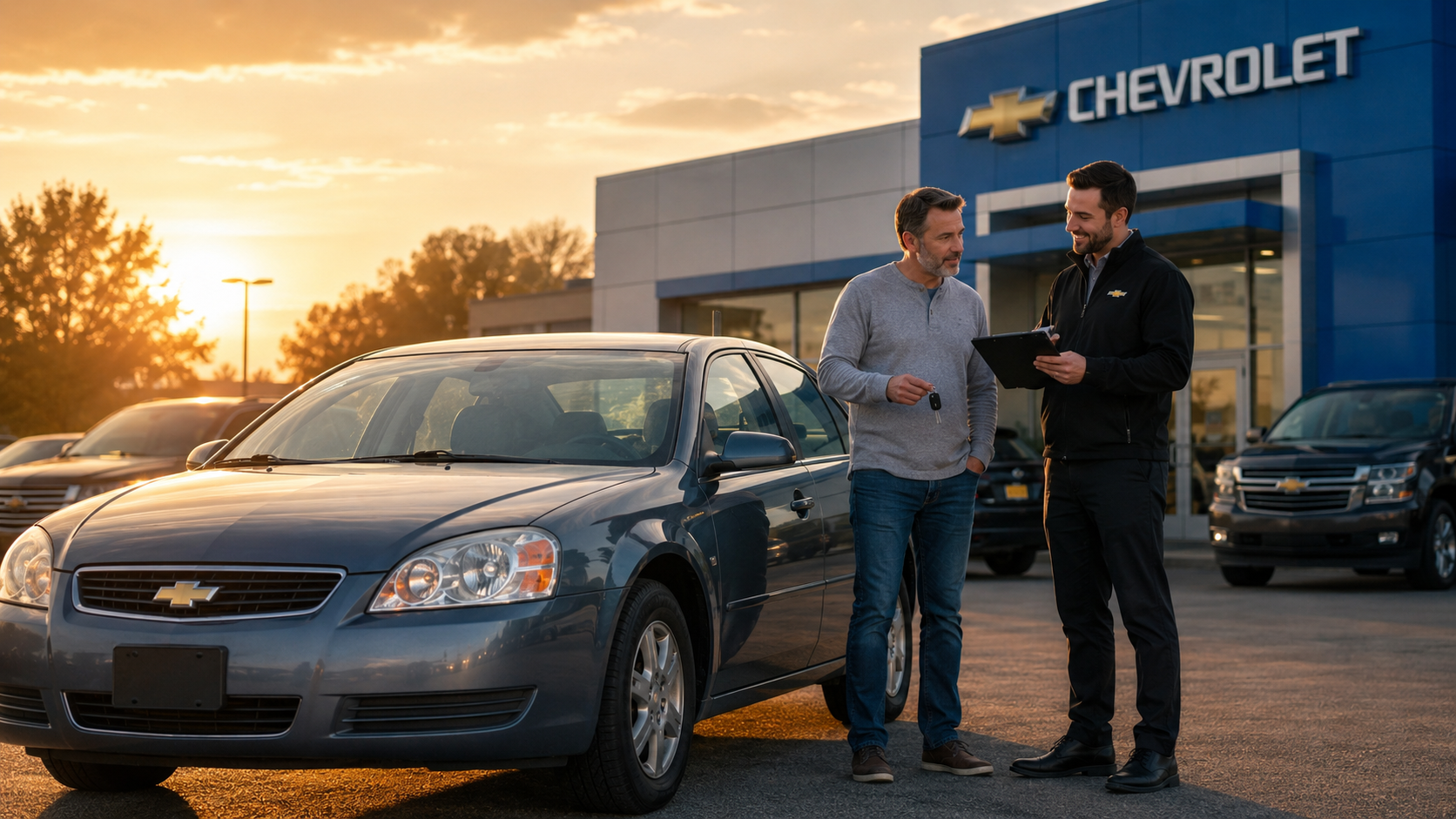
During the dealership visit, inspectors evaluate exterior, interior and mechanical condition; they may test-drive the vehicle to assess handling and responsiveness. The dealership will then present a trade-in offer based on the inspection. Know your vehicle's market value before the visit to support effective negotiation.
Inspectors typically check the following items during the appraisal:
Exterior: paint condition, dents, scratches, glass chips, and alignment of body panels.
Interior: seat condition, dashboard wear, odors, and functionality of electronics (radio, HVAC, windows).
Mechanical: tire condition, brake responsiveness, check-engine indicators, and visible fluid leaks.
Once the inspection is complete, the appraiser explains the offer and the factors behind it. If you disagree with an itemized deduction, raise the specific point and present any supporting documentation (receipts, photos). In many cases, appraisers will re-evaluate if you can demonstrate recent repairs or clarifying information that was overlooked during the initial review.
How Does the Trade-In Process Compare Against Selling Your Car Privately?
When selling a car, compare trade-in and private sale options to determine the best fit for your priorities.
Private sales can deliver higher proceeds, but they often require greater time and effort. A trade-in prioritizes speed and convenience, bundling many transaction steps into a single interaction. Consider how quickly you need to sell and how much time you want to spend on marketing, negotiations, and coordinating showings.
What Are the Advantages of Trading In Your Car at a Dealership?
Trading in your vehicle at a dealership offers several key advantages:
Convenience: The process is quick and generally hassle-free compared to managing private sales.
Immediate Trade-In Value: You receive a trade-in offer that can be applied directly to a new vehicle purchase.
Reduced Paperwork: Dealerships typically handle most of the paperwork, minimizing your workload.
These factors can improve the selling experience by simplifying steps that are often complicated in private sales.
If timing is important—such as coordinating the sale with a new vehicle pickup or meeting loan payoff deadlines—the seamless timing of a trade-in is often the deciding factor for sellers. Dealerships can also assist with temporary transportation arrangements in some cases, which further reduces disruption on the day of sale.
What Are the Benefits and Drawbacks of Selling Your Car Privately?
Selling your car privately has its benefits and drawbacks:
Benefits: Higher Sale Price Potential: You may secure a better price compared to a trade-in.Flexible Selling Terms: You can set your terms, deciding how and when to sell.
Drawbacks: Time-Consuming: Managing inquiries, meetings, and negotiations can be lengthy.Increased Risk: Dealing with private buyers poses risks including scams and safety concerns.
Weighing these benefits and drawbacks helps you choose the most appropriate sales method.
If you pursue a private sale, plan for listing photos, a descriptive ad, and a safe meeting location. Factor in time for vetting buyers, arranging test drives, and managing payment transfer. If you value speed, minimize hassle, or are trading toward a new purchase, a dealership trade-in often makes more sense.
How Can You Use Online Tools Like a Trade-In Value Calculator to Estimate Your Car’s Worth?
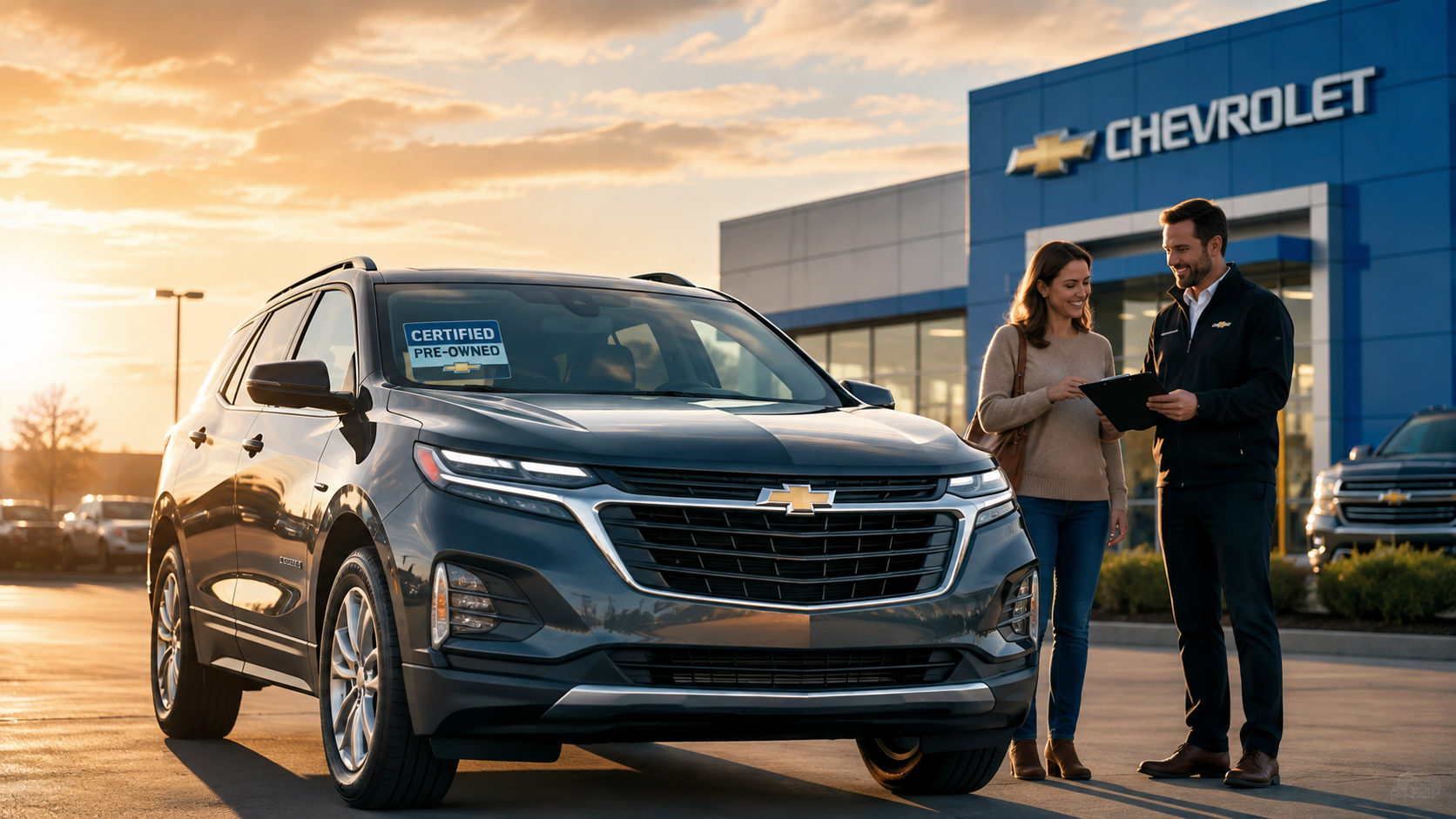
Online calculators provide estimated market values based on vehicle details and serve as a baseline before dealership appraisal. Customers may also review certified pre-owned vehicles as an alternative to a new purchase.
When using online tools, input accurate details: trim level, exact mileage, and known options (sunroof, navigation, upgraded audio). Be honest about condition—selecting the proper condition tier prevents surprises during appraisal. Use multiple valuation sites to see a range and understand how much flexibility you may have when negotiating with a dealer.
What Are the Leading Online Trade-In Valuation Resources?
Several reputable online resources are available to assist you in evaluating your car's worth:
Kelley Blue Book (KBB): Offers detailed assessments based on various factors including condition and mileage.
Edmunds: Provides tools and insights for estimating trade-in values with user-friendly interfaces.
NADA Guides: Focuses on precise valuations reflecting market trends.
These resources provide data to inform negotiations with a dealership.
Compare the ranges from each tool and treat the midpoint as a realistic target. Note that dealer offers reflect what the dealer can sell the vehicle for in local wholesale and retail channels, so expect the in-person offer to differ modestly from the online estimate.
How Accurate Are Instant Online Trade-In Quotes Compared to In-Dealership Appraisals?
Online estimates offer a starting point, but in-dealership appraisals are generally more accurate. Physical condition and a dealership's inventory needs can materially affect the final offer. Treat online quotes as guidance, not definitive values.
Instant quotes may assume typical condition and average market demand; they cannot account for unique vehicle history items, aftermarket modifications, or recently completed maintenance. Use the online figure as a negotiation anchor, but be prepared for the appraiser to explain adjustments during the in-person evaluation.
What Financing Options Are Available After Selling Your Old Car to a Dealership?
Understanding financing options after a trade-in is necessary to make informed purchase decisions. Use the financing pre-qualification service to assess your budget and financing options.
Dealerships can incorporate the trade-in credit into a down payment, apply it against loan payoff if you have an outstanding balance, or use it to lower the financed amount. If you owe more than the vehicle's value (negative equity), discuss how that balance will be handled—many buyers roll the remaining balance into the new loan, but be mindful of the financial implications of doing so.
How Does Financing Pre-Qualification Work with Serpentini Auto Group?
Serpentini Auto Group provides financing pre-qualification so customers can determine budget and financing options before selecting a vehicle. This process simplifies purchasing and supports informed financial decisions.
Pre-qualification generally involves a soft credit check and a discussion of income and down payment. It provides a price range and expected payment scenarios so you can shop with confidence. Being pre-qualified can also speed the in-store process and provide leverage when discussing trade-in credit and incentives.
What Are the Benefits of Combining Trade-In with New or Certified Pre-Owned Vehicle Financing?
Combining your trade-in with financing options for a new or certified pre-owned vehicle can yield these benefits:
Enhanced Savings: Immediate application of the trade-in value reduces the overall price of your new vehicle.
Streamlined Financing Process: Having the trade-in value incorporated into the overall purchase simplifies the financing arrangements.
Flexible Payment Plans: Dealerships often provide competitive financing rates for those combining their trade-in with purchase financing.
These benefits can improve the overall buying experience.
Before finalizing financing, request a clear breakdown showing the trade-in allowance, taxes, fees, and how any remaining loan balance is handled. Comparing the net cost across financing scenarios (with and without trade-in) ensures you select the option that best fits your long-term budget.
What Are the Important Legal and Documentation Steps When Selling a Car to a Dealership?
Legal compliance and correct documentation are essential when selling a vehicle. Understanding these requirements helps ensure a smooth transaction.
Each state has specific forms and timelines for title transfer and registration; dealerships typically guide sellers through these steps and submit required paperwork to local authorities. Keep copies of signed documents and record the date of sale for your records.
Which Documents Are Mandatory for Trade-In Transactions?
When engaging in a trade-in transaction, ensure you have the following essential documents:
Vehicle Title: Proof of ownership is necessary to facilitate the sale.
Registration Documents: Current registration verifies that the vehicle is compliant with state regulations.
Lien Release: If applicable, a lien release document is necessary to prove that any existing loans on the vehicle have been settled.
Having these documents ready at trade-in significantly facilitates the transaction.
If the title is held by a lender, contact the lender ahead of the dealership visit to obtain payoff information and the lien release process. Some lenders will work directly with the dealership to clear the lien as part of the closing, streamlining your responsibilities on the day of sale.
How Is the Car Title Transferred During a Dealership Trade-In Sale?
Title transfer occurs when the seller signs the title to the dealership and the dealership files the paperwork with state authorities. Executing this step correctly is essential to protect the seller legally.
Once the paperwork is filed, confirm with the dealership that the title transfer and release have been submitted. Request a copy of completed documents for your records. If you have any remaining loan balance, verify that the lender has been paid and that the lien release has been recorded with the title office.
How Does Serpentini Auto Group Support Customers Throughout the Trade-In and Vehicle Purchase Process?
Serpentini Auto Group provides customer support throughout the trade-in and purchase process to keep customers informed and assisted.
Support typically includes appointment scheduling, a clear explanation of offers, help with paperwork, and follow-up after the sale. Staff may also explain available warranties, service plans, and the certified pre-owned inspection process if you are considering a used replacement vehicle.
What Customer Service and Support Are Available During Trade-In?
Customers can expect personalized support and guidance through the trade-in process. Staff can answer queries and assist with documentation to facilitate a seamless transaction.
If you prefer, ask for an itemized written estimate of the trade-in offer and any adjustments so you have a written record to compare with online estimates or other offers. Good customer service includes transparent communication about fees, title transfer steps, and expected timelines for final documentation filing.
What Are the Advantages of Buying Certified Pre-Owned Vehicles with Trade-In Credit?
Purchasing certified pre-owned vehicles using trade-in credit offers multiple advantages:
Quality Assurance: Certified pre-owned vehicles undergo thorough inspections, often providing peace of mind to buyers.
Cost-Effective: Utilizing trade-in credit can significantly reduce the price of a quality vehicle.
Enhanced Warranty Options: Many certified pre-owned programs come with extended warranties, enhancing the purchase security.
These advantages make certified pre-owned vehicles a practical option for buyers using trade-in credit.
When evaluating certified pre-owned options, compare the length and coverage of included warranties, available service plans, and the inspection checklist used to certify the vehicle. Trade-in credit applied to a certified purchase can create strong value when combined with the reassurance of a manufacturer-backed inspection.
What Questions Are Frequently Asked About Selling Your Car to a Dealership?
Addressing common questions clarifies concerns about selling a car to a dealership.
What Do I Need to Know Before Trading In My Car?
Before trading in your car, it's beneficial to:
Research Market Values: Knowledge of current market conditions helps ensure a fair trade-in offer.
Clean and Maintain Your Vehicle: A well-maintained car is more likely to attract a higher offer.
Have Paperwork Ready: Ensure all documents are prepared in advance to facilitate the transaction.
Preparing these items improves your trade-in experience.
Also consider timing: market demand for certain vehicles can fluctuate with seasons and local demand. If you are not in a rush, a brief wait for a more favorable market or completing a recommended minor repair could increase net proceeds after accounting for any repair cost.
Is It Better to Trade In or Sell My Used Car Privately?
Deciding whether to trade in or sell privately depends on your priorities:
Trade-In: Offers convenience, speed, and often less hassle but may yield lower monetary returns.
Private Sale: Could net a higher price but requires time and effort in negotiations, listings, and showing the vehicle to potential buyers.
Assessing your priorities will guide your decision.
If you value a guaranteed sale, faster closing, and minimal administrative work, trade-in is usually preferable. If your top priority is maximizing proceeds and you can commit time to a private sale, that option may be more appropriate.
Frequently Asked Questions
What Should I Do If My Car Has Existing Loan Payments?
If your car has outstanding loan payments, you can still trade it in, but you must obtain a lien release from your lender. The outstanding balance will be deducted from the trade-in value. Discuss the payoff with your lender and the dealership to confirm how the remaining balance will be handled.
Before visiting the dealership, request a payoff quote from your lender that includes the date through which the payoff is valid. Provide that information to the dealer so they can calculate net proceeds accurately at the time of sale and avoid last-minute financing mismatches.
How Can I Ensure I Get the Best Trade-In Offer?
To maximize your offer, research market value using resources such as Kelley Blue Book or Edmunds. Ensure the vehicle is clean, address minor repairs, bring all documentation and be prepared to negotiate.
Be ready to explain recent maintenance and to show receipts. If multiple offers are available, mention competing valuations—many dealers will consider a realistic competing offer when finalizing their trade-in proposal.
Can I Trade In My Car If It Has Major Damage?
You may trade in a car with major damage, but it will reduce the trade-in value. Dealerships will factor damage into the appraisal. Disclose damage and obtain repair estimates; repairing some issues may increase the offer.
If damage is extensive and costly to repair, discuss whether selling the vehicle as-is to a salvage dealer or listing it for parts would produce a better net result than paying for full repairs prior to trade-in.
What Is the Timeline for Completing a Trade-In Transaction?
A trade-in transaction typically takes from a few hours up to a day. Appraisal and paperwork can often be completed in the initial visit. If additional documents are required or issues arise, allow extra time.
Plan for at least a half-day if you intend to test drive replacement options, arrange financing, and finalize paperwork. If title transfers or lender communications are needed, the dealership will inform you of any follow-up steps and expected timelines for final recording at the title office.
Are There Any Hidden Fees When Trading In My Car?
Hidden fees can occur. Potential charges include title transfer fees or added costs from optional add-ons or warranties. Request a detailed breakdown of all charges to avoid surprises.
Ask for a written itemization showing the trade-in allowance, sales tax adjustments, title fees, and any dealer fees before you sign. Reviewing this breakdown prevents misunderstandings and ensures you understand how the final payment or credit was calculated.
What Happens to My Old Car After I Trade It In?
After trade-in, the dealership evaluates whether the vehicle will be resold, sent to auction, or used for parts. Many dealerships refurbish trade-ins for resale. This sets realistic expectations for your vehicle's disposition.
The dealer’s decision is based on condition, demand, and projected profit margin. Vehicles in excellent condition often go directly to retail inventory; those requiring more work may be repaired or sold at auction. Knowing this helps you understand the reasoning behind a lower offer for vehicles needing substantial reconditioning.