

New vs Used Cars: Which Is Right for You?
New vs Used Cars: How to Choose the Best Vehicle for Your Needs with Certified Pre Owned Options
By Serpentini Auto Group, Serpentini Auto Group. Choosing between a new and a used vehicle requires an assessment of budget, intended use and long-term objectives. This guide summarises the principal advantages and disadvantages of each option and explains how certified pre-owned (CPO) vehicles blend elements of both. It outlines depreciation, warranty differences, financing considerations and the key questions buyers should ask, enabling a clear, informed purchase decision.
Key Takeaways
- New cars offer the latest technology and full warranties but depreciate rapidly in the first few years.
- Used cars are more affordable and depreciate slower but may have higher maintenance costs and less advanced features.
- Certified pre-owned cars combine benefits of new and used vehicles with inspections and extended warranties for reliability.
- Budget, intended vehicle use, and long-term goals are critical factors when choosing between new, used, or certified pre-owned cars.
- Car depreciation significantly affects value; new cars lose value faster, while used and CPO cars retain value better.
- Warranty coverage and certification in CPO cars provide added peace of mind and reduce potential repair expenses.
- Evaluating maintenance and service costs is essential, as new cars often include service packages unlike most used cars.
- Asking about vehicle history, warranty details, and dealership practices helps ensure informed and transparent car purchases.
- Transparency in pricing and warranty builds trust and confidence during the car-buying process.
The list above highlights the themes explored in depth below. Use it as a quick reference while you read the detailed sections that follow: cost and depreciation, warranty and certification, financing considerations, maintenance expectations and practical buyer questions. Each topic is developed with the aim of helping you weigh trade-offs and tailor your choice to real-world needs.
New Cars:
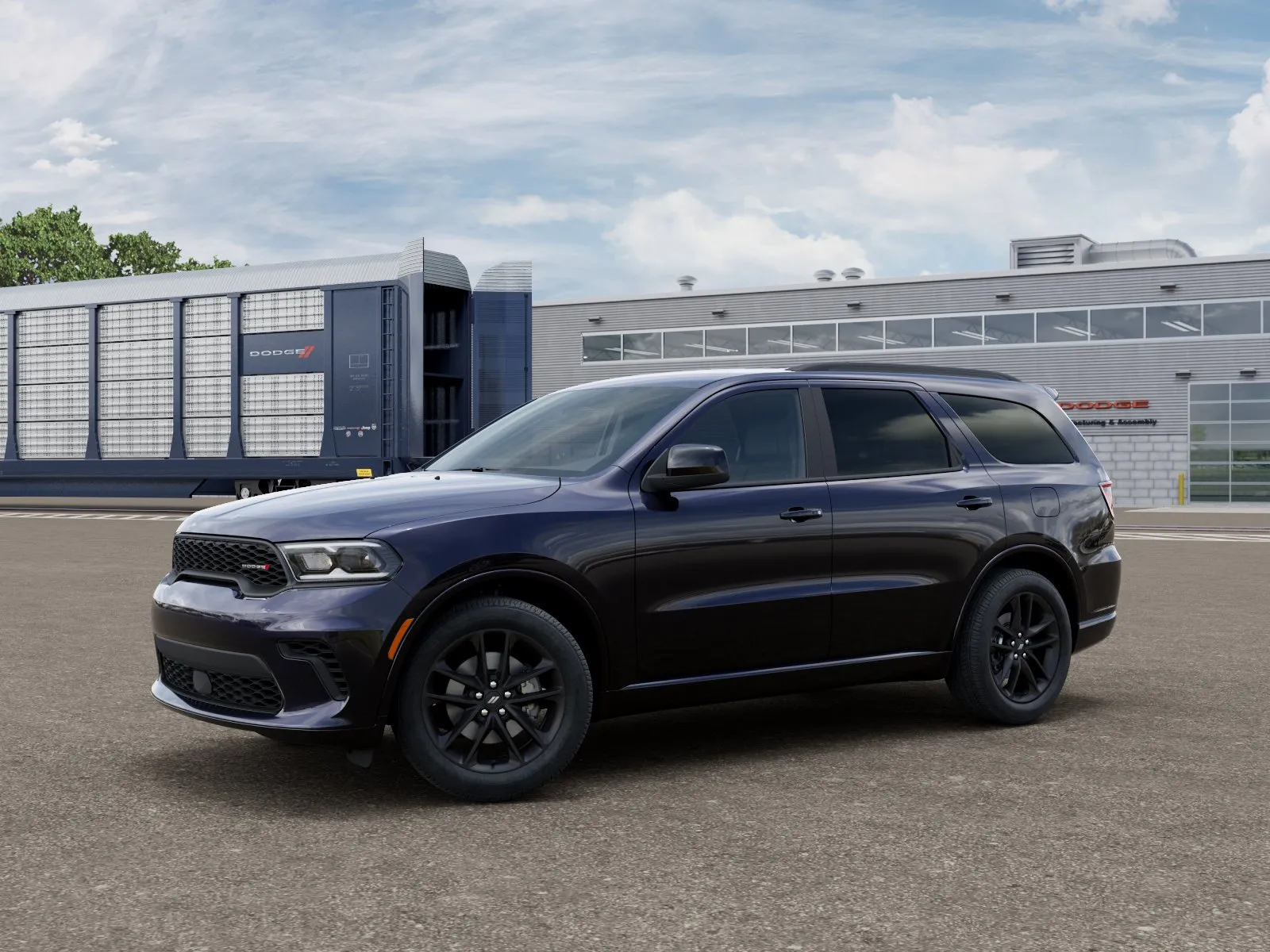
New vehicles provide current safety systems, updated infotainment and other recent technology. They typically include full manufacturer warranty coverage, reducing early ownership repair risk. The trade-offs are a higher purchase price and steep initial depreciation, which materially affects resale value in the first few years.
For buyers who prioritise the newest active safety features, driver assistance systems and connected-car services, a new car often represents the least risky path. New vehicles also make it simpler to choose exact equipment levels, options and colour combinations rather than compromising on available features. In addition to technology, new cars frequently arrive with the manufacturer’s recommended maintenance packages or complimentary scheduled service for a defined period, which can lower early ownership costs and simplify budgeting.
Consider the ownership timeframe when evaluating a new car. If you plan to keep the vehicle for many years, the immediate depreciation becomes less relevant over a long ownership period because the cost-per-year of driving tends to smooth out. Conversely, if you expect to trade or sell within a few years, the rapid early depreciation will have a larger impact on your effective cost of ownership and resale price.
Used Cars:
Used vehicles offer a lower acquisition cost and generally slower depreciation, which preserves value relative to new cars. Buyers should account for potentially higher maintenance and repair expenses, particularly when vehicle service history is incomplete or previous maintenance has been deferred.
Buying used can be the most cost-efficient approach for drivers who want to minimise monthly payments and reduce initial cash outlay. The saved funds can be reallocated to higher trim levels, added options, or set aside for an emergency repair fund. However, the reliability of a used car depends on prior care and the vehicle’s age and mileage. A well-maintained used vehicle with complete service records can provide many years of trouble-free operation, while a similar model without verified history requires a careful inspection and cautious budgeting for near-term repairs.
When assessing used inventory, inspect documentation such as service receipts, previous inspection reports, and ownership records. Arrange a test drive that includes varied driving conditions—highway, city and inclines—and obtain a professional pre-purchase inspection if you are not certain about the car’s condition. These steps help identify wear and potential deferred maintenance that can influence repair timing and total ownership cost.
Certified Pre-Owned (CPO) Cars:
CPO vehicles undergo manufacturer- or dealer-defined inspections and reconditioning to meet specified quality standards. Many programs include extended warranty coverage and additional assurances not typical of non-certified used cars. CPO pricing is higher than uncertified used inventory, but the premium often corresponds to reduced ownership risk and improved reliability.
CPO programs vary by manufacturer and dealer, but they commonly require multi-point inspections, replacement of wear items to specified standards and a documented reconditioning process. The extended warranties and roadside assistance packages that accompany many CPO purchases translate into more predictable ownership costs and often include transferable coverage that benefits subsequent owners, which may also help preserve resale value.
For buyers seeking a middle ground between new and used vehicles, CPO offers a blend of lower depreciation than a new car and greater assurance than a typical used car. If a CPO vehicle’s inspection checklist and warranty terms align with your risk tolerance, the slightly higher purchase price can be justified by the reduced likelihood of unexpected repairs during the initial ownership period.
Considerations for Your Decision:
Evaluate both upfront and ongoing ownership costs: purchase price, insurance, scheduled maintenance, unexpected repairs and fuel consumption. Match vehicle choice to primary use—daily commuting, long-distance travel or occasional use—and estimate expected annual mileage. Pre-qualification for financing clarifies purchasing power and identifies loan terms that align with the budget.
Insurance premiums often differ between new and used cars due to replacement cost and safety equipment. When budgeting, request insurance quotes for specific models and trim levels under consideration so you can compare effective monthly costs. Similarly, factor in fuel economy differences across powertrains and model years; small changes in average MPG can alter fuel expenditures over several years, especially for high-mileage drivers.
Financing terms can also affect decision-making. New cars commonly qualify for promotional financing or lower interest rates from manufacturers, which can offset some of the higher purchase price through lower monthly payments. Used car financing rates are generally higher, and loan duration can influence total interest paid. Pre-qualifying for loans gives you negotiating leverage and a clear view of payment scenarios for different vehicle options.
For prospective car buyers, Serpentini Auto Group offers tailored financing options to facilitate your purchase, ensuring you can drive away in a vehicle that meets your needs and financial constraints. You can explore available financing options through their pre-qualify tool.
What Are the Key Differences Between New and Used Cars?
Cost is the primary distinction: new vehicles command higher prices and typically include comprehensive warranty protection and lower initial maintenance needs. New models also contain the latest safety and technology enhancements. Used vehicles cost less upfront but may lack recent feature updates and can present greater variability in reliability depending on prior ownership and maintenance.
Beyond purchase price, consider practical differences such as equipment availability, financing incentives, and registration fees. New cars can offer immediate access to current driver assistance and crash-avoidance systems, software updates and manufacturer-supported connected services. Used cars may lack those features, but many owners prioritise a lower total cost of ownership and accept fewer amenities in exchange for improved value.
Another difference is personalization: with new cars you can often order or select exact specifications, while used shopping typically requires compromise on colour, trim and optional equipment. For buyers who value convenience and the certainty of a full-service history, certified and dealer-inspected used cars reduce the trade-offs associated with older inventory.
How Does Car Depreciation Affect New and Used Vehicle Value?
Depreciation materially influences total ownership cost. New cars often lose a substantial portion of value within the first two to three years, while used cars depreciate more slowly after this initial period. Certified pre-owned options allow buyers to avoid the steepest early depreciation while retaining many benefits of newer vehicles. Explore the range of certified pre-owned vehicles available to find a great option.
Depreciation depends on model desirability, initial price, mileage and condition. Some makes and models have stronger resale values due to reputation for reliability, fuel economy or brand appeal. When assessing depreciation risk, review historical resale prices for the specific model and trim to gain a realistic picture of expected retained value. This helps you anticipate trade-in or private-sale outcomes at different ownership horizons.
Keep in mind that optional equipment and colour choices can affect resale performance. Highly demanded configurations and neutral colours often retain value better. If resale value is an important factor, aligning your purchase with historically popular configurations can produce better long-term financial outcomes.
What Warranty and Certification Benefits Do Certified Pre Owned Cars Offer?
CPO programs provide documented inspections and reconditioning, along with defined warranty terms that commonly cover major components for an extended period. This combination reduces the likelihood of unforeseen repair costs and supports predictable ownership expenses, making CPO vehicles suitable for buyers prioritising reliability and documented quality control.
Warranty terms vary widely, so examine the contract for coverage scope, deductibles, coverage duration and any excluded items. Some programs extend powertrain coverage only, while others include broader bumper-to-bumper elements or supplemental benefits such as roadside assistance and rental reimbursement. Knowing the warranty boundaries helps you evaluate expected out-of-pocket costs if a covered failure occurs.
Additionally, ask about the inspection report and any reconditioning work performed as part of the certification. Documentation of replaced parts, completed repairs and completed service intervals provides transparency about the vehicle’s current condition and the steps taken to meet certification standards. Where available, transferable warranty benefits can also enhance future resale value.
What Are the Advantages of Buying a New Car?
New cars provide full factory warranty coverage, access to the latest safety and technology features, and the assurance of zero prior wear. These factors reduce early maintenance risk and deliver the newest available specifications and equipment.
Ownership of a new car typically offers the simplest maintenance schedule in the early years, with recommended service intervals and dealer support that can include maintenance packages and software updates. For drivers who value minimal initial maintenance responsibilities and the latest technology, new cars provide a clear advantage.
Discover the latest models and explore the full range of new vehicle inventory to find your perfect car.
Which New Car Incentives and Discounts Are Available in Northeast Ohio?
Buyers in Northeast Ohio may encounter manufacturer and dealer incentives such as cash-back offers, promotional financing with reduced interest rates, or lease incentives. Local dealerships publish current promotions and can assist buyers in identifying available discounts that lower the effective purchase cost.
Regional incentives and dealer promotions change frequently. Before finalising a purchase, verify current offers directly with the dealership and confirm eligibility conditions, such as return customers, recent graduates, military discounts or loyalty rebates. Combining manufacturer incentives with dealer discounts and competitive financing can materially reduce your effective purchase price or monthly payment.
When possible, compare offers from multiple local dealers to ensure you receive competitive pricing and transparent terms. Request written confirmation of advertised incentives and factor them into your comparison of total cost across different financing scenarios and vehicle choices.
What Makes Certified Pre Owned Cars a Reliable Alternative?
CPO vehicles are considered reliable due to standardised inspection protocols and mandated reconditioning tasks that verify vehicle condition. When paired with extended warranty coverage, these measures deliver a balance between lower cost and improved dependability compared with non-certified used vehicles.
Reliability also depends on the specific provider’s standards and the thoroughness of the inspection process. Manufacturer-backed CPO programs usually have stricter requirements than independent dealer certificates. Verify whether the certification is supported by the original manufacturer and check the network of authorised service centers that will honour the warranty if repairs are required.
The added assurance provided by CPO programs can reduce the need to maintain a large repair reserve and can make the ownership experience more predictable—particularly for buyers without the time or expertise to monitor used-car maintenance closely.
How Should You Evaluate Maintenance and Service Costs for New vs Used Cars?
Estimate scheduled maintenance, service-package inclusions and probable repairs over the expected ownership period. New vehicles often include initial service plans that reduce early out-of-pocket costs. Used vehicles without a clear maintenance record can incur higher near-term service expenses; verifying service history reduces that uncertainty.
Construct a simple projected maintenance budget that includes scheduled services (oil change, inspections, tyre rotation), periodic items (brake pads, tyres, filters) and a contingency for unexpected repairs. Use the manufacturer’s maintenance schedule for new cars and consult owner forums or reliability guides for common repair items on older models to inform your contingency allowance.
Where available, purchase extended service contracts or maintenance plans only after comparing the cost against expected out-of-pocket expenses. For many drivers, a well-funded emergency repair reserve along with careful selection of tested models and verified service histories yields a more cost-effective outcome than an expensive third-party plan.
Which Factors Should Influence Your Decision: New, Certified Pre Owned, or Used?
Base your decision on intended use, desired comfort and features, projected annual mileage and tolerance for resale risk. Weigh immediate purchase cost against anticipated long-term expenses, including maintenance and depreciation, to select the option that best meets operational and financial objectives.
Consider lifestyle and family needs: cargo space, passenger capacity, towing requirements, and seasonal driving conditions should influence model selection. If reliability and low maintenance are top priorities, a CPO or a new vehicle with a comprehensive warranty may be preferable. If initial cost savings are paramount and you have mechanical knowledge or access to trusted service, a used vehicle may provide the best balance.
For assistance in evaluating your options and financing arrangements, Serpentini Auto Group can help clarify your path to making the best vehicle choice for your needs.
What Questions Should You Ask When Shopping for New or Used Cars?
When shopping for a vehicle, ask targeted questions to confirm condition, coverage and dealer practices before completing a purchase.
- What is the vehicle's history? - Knowing the car's past can indicate potential future problems.
- What warranty does it come with? - This helps you understand what repairs may be covered.
- What dealership practices should I be aware of? - Transparency is key in navigating the purchase process.
These enquiries provide factual context and help buyers assess risks, coverage and dealer transparency prior to purchase. In addition to the core questions above, ask for specific documents such as the vehicle history report, the certification inspection checklist (for CPO units), copies of recent service invoices and clear details of any remaining factory warranty. Request an itemised out-the-door price that includes fees, taxes and optional add-ons so you can compare offers accurately.
During the test drive, verify that warning lights are not active, that the HVAC and infotainment systems function correctly, and that steering and braking feel consistent. If you identify concerns, note them in writing and ask the dealer to address them as part of the sale or to adjust the price accordingly.
How Can Structured Data and Local Dealer Resources Improve Your Car Buying Experience?
Structured online inventories enable straightforward comparison of features, options and pricing across vehicles. Research tools that compare makes and models reduce time spent evaluating choices, and local dealers supply region-specific information on servicing, parts and available incentives.
When dealers publish structured inventory with detailed trim, option and pricing data, shoppers can filter and compare vehicles efficiently. Use these online tools to narrow your list to a manageable number of candidates before visiting in person. Also ask local dealers for estimates of typical service turnaround times, availability of OEM parts and seasonal service promotions that can affect ownership convenience and costs.
Why Is Transparency in Pricing and Warranty Essential for Trustworthy Purchases?
Clear pricing and explicit warranty terms reduce uncertainty and protect buyers from unexpected costs. Transparent disclosure of fees, warranty coverage and dealer policies supports informed decision-making and fosters long-term customer trust.
Request written warranty terms and ask the dealer to explain any exclusions or conditions that might limit coverage. Be careful with ambiguous language and insist on clarity regarding wear-and-tear items, pre-existing conditions and required maintenance to preserve warranty validity. A transparent dealership will provide clear documentation, answer detailed questions and make the purchase terms easy to understand.
Frequently Asked Questions
What Are the Pros and Cons of Leasing a Car Compared to Buying?
Leasing typically yields lower monthly payments and includes warranty coverage for the lease term, reducing maintenance expenses while the vehicle is under warranty. Lease agreements impose mileage limits and you do not build equity. Purchasing results in ownership and potential long-term savings once the loan is repaid but usually requires larger monthly payments and exposes the buyer to post-warranty maintenance costs.
When choosing between leasing and buying, compare expected annual mileage, the likelihood of wanting a new vehicle every few years, and your tolerance for wear-related charges at lease-end. Leasing can be attractive for drivers who prefer lower monthly payments and predictable costs, while purchasing tends to make more sense for drivers who expect to keep a car long-term or who exceed standard lease mileage allowances.
How Can I Evaluate the Reliability of a Used Car?
Review the vehicle history report from services such as Carfax or AutoCheck for accidents, title issues and recorded maintenance. Perform a visual inspection for structural damage, rust or uneven wear. Arrange a professional pre-purchase inspection and consult published reliability ratings for the specific make and model.
Reliability assessment should combine documentary evidence, mechanical inspection and informed test-driving. Check for consistent service intervals and watch for recurring repair items noted in the history report. A thorough pre-purchase inspection by an independent mechanic often uncovers issues that are not visible during a short test drive.
Are There Special Financing Options Available for College Students Buying Cars?
Some lenders and dealerships provide financing programs tailored to students with limited credit history, which may include reduced rates or modified underwriting criteria. Federal and state credit unions frequently offer competitive products. Pre-qualification helps students identify available terms and compare offers before committing.
Students should compare lender requirements, co-signer options and repayment flexibility. Building credit history responsibly and bringing a co-signer with established credit can improve approval chances and secure better rates. Always read the loan terms carefully and consider how monthly payments fit within a student budget.
What Should I Include in My Car Buying Budget Beyond the Purchase Price?
Include sales tax, registration fees, insurance premiums, routine maintenance and fuel costs. For financed purchases, factor in monthly payments and total interest. Accounting for these items prevents budget shortfalls and clarifies true ownership cost.
Also consider periodic expenses such as tyre replacement, brake service, battery replacement and unexpected repairs. If you drive in areas with harsh winters, plan for seasonal tyre changes and potential additional wear. Estimate an annual ownership cost that includes routine and contingency items to ensure affordability over time.
How Can I Negotiate a Better Price When Buying a New or Used Car?
Research fair market values using resources such as Kelley Blue Book and Edmunds. Identify current manufacturer incentives and dealer promotions. Begin negotiations below your target price to allow room for counteroffers and reference competing offers to strengthen your position.
Bring documentation of comparable offers and be prepared to walk away if a deal does not meet your budget. Negotiating financing separately from vehicle price, and arriving pre-qualified, often produces clearer comparisons and better outcomes. Always confirm any verbal promises in writing before completing the purchase.
What Impact Does My Credit Score Have on Car Financing Options?
Credit scores influence available loan products and interest rates: higher scores typically secure lower rates and more favourable terms, while lower scores may limit options and increase borrowing costs. Review your credit report in advance and address discrepancies or areas for improvement before applying.
If your score is imperfect, consider a larger down payment, a shorter loan term or a co-signer to reduce interest costs. Comparing offers from more than one lender, including local credit unions, can reveal better terms than a single dealer-provided option.
What Are Some Recommended Maintenance Tips for New and Used Cars?
Follow the manufacturer’s maintenance schedule for oil changes, inspections and service intervals. For used cars, verify and update fluids, filters and belts as needed and confirm tyre pressure and tread condition regularly. Prompt attention to dashboard warnings helps prevent more costly repairs.
Keep a maintenance log, retain service receipts and address minor issues early to avoid escalation. Regularly inspect tyres for uneven wear, monitor brake performance and maintain recommended fluid levels. If buying a used car, consider an initial full service and inspection to establish a clear baseline, then follow a consistent maintenance plan to preserve reliability and resale value.
Our Local Showroom
OH 44070-4038, USA