

How to Secure Affordable Financing for Used Cars
Used Car Financing With Low Monthly Payments in Used Vehicles
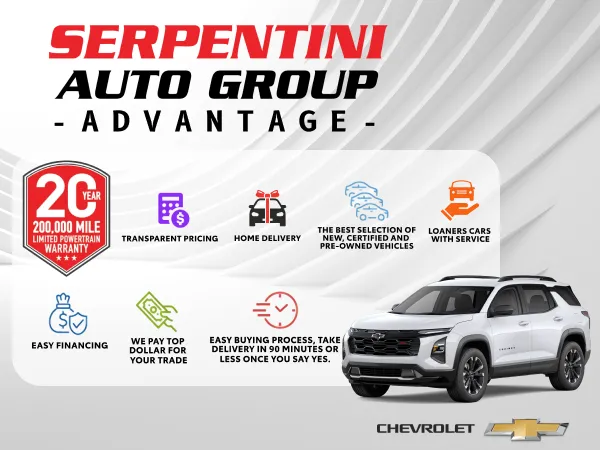
When it comes to Used Car Financing With Low Monthly Payments, affordable used vehicle financing starts with checking credit scores, securing loan preapproval, and comparing APR offers before visiting a dealership. Serpentini Auto Group, serving customers for over 47 years, connects shoppers with financing options and transparent pricing. Larger down payments and shorter loan terms reduce total interest paid, since used-car rates often run higher than new-car rates.
Key Takeaways
Check your credit score before applying to secure the best interest rates on your used vehicle loan.
Get preapproved for financing through banks, credit unions, or online lenders to strengthen your negotiating position.
Compare annual percentage rates (APR) across multiple lenders to identify the lowest-cost financing option available.
Make fixed monthly payments over your loan term to predictably budget for your used car purchase.
What Do You Need Before Financing a Used Vehicle?
Three items matter most before signing any loan paperwork: a current credit report, a clear picture of the total amount financed, and an understanding of how dealer financing differs from a direct loan. Skipping any one of these steps leaves used car shoppers exposed to higher costs or unexpected terms buried in a contract.
Start with credit. Federal law entitles consumers to one free credit report each year from each of the three major bureaus. Pulling these reports before applying lets buyers catch errors, dispute inaccuracies, and walk into a dealership with a realistic sense of what rates lenders will offer.
What Should Buyers Check on the Loan Documents?
Buyers need to review the total amount financed, not just the monthly payment. This figure includes taxes, fees, and any add-on products rolled into the loan. It determines the real cost of borrowing over time. A low monthly payment can mask a longer term or higher total cost, so reading the full breakdown matters more than the payment line alone.
Is Car Financing the Same as a Car Loan?
No. A car loan is arranged directly between a borrower and a bank, credit union, or finance company. Car financing, by contrast, runs through the dealership, which sells the contract to a lender on the buyer's behalf. Knowing which path applies helps buyers compare offers accurately before committing.
Used car financing with low monthly payments starts with this groundwork. Serpentini Auto Group, based in Strongsville, Ohio, works with used vehicle shoppers to review credit standing, clarify total loan costs, and explain financing structures before any purchase moves forward.
How Do You Check Credit and Get Preapproved?
Credit checks and preapproval start the financing process before a shopper ever selects a vehicle. Lenders use a credit report to set the interest rate, so a clean review of that report matters more than most buyers realize. Used-car loan rates can run twice as high as new-car rates, according to a Yahoo Finance report titled "How to Finance a Used Car and Save Big on Your Auto Loan," which means an unchecked credit file can cost thousands over the life of a loan.
Preapproval turns a shopper into an informed borrower rather than a guesser. Once approved, that borrower must satisfy a lender — a bank, credit union, or online lender — before any purchase moves forward. Used car financing with low monthly payments depends heavily on this early step. A known rate and term let shoppers compare offers instead of accepting whatever a dealership presents first.
Should Preapproval Happen Before Visiting the Dealership?
Yes. Securing preapproval beforehand gives shoppers a benchmark rate to compare against dealer financing. A direct loan, arranged straight with a bank, finance company, or credit union, often reveals whether dealer-offered terms actually help or hurt the budget.
To prepare for preapproval, follow these steps:
Pull a current credit report and review it for errors.
Note the credit score range, since it drives the offered interest rate.
Request preapproval from two or three lenders to compare rates.
Compare each offer's term length and total finance charge, not just the monthly payment.
Bring the strongest preapproval offer to Serpentini Auto Group as a negotiating baseline.
Approach | Who Sets the Rate | Typical Leverage |
|---|---|---|
Preapproved loan | Outside lender | Strong — sets a comparison price |
Dealer-arranged financing | Dealership network | Variable — depends on offers available |
With used-car prices still elevated, avoiding high-cost financing and unnecessary add-ons protects the savings a used vehicle is supposed to deliver.
How Do You Compare Loan Terms and Lenders?
Comparing loan terms starts with the annual percentage rate, or APR, on each offer. Shoppers pursuing used car financing with low monthly payments must confirm whether that rate is fixed. A fixed rate keeps both the monthly payment and interest rate steady for the life of the loan. A variable rate introduces uncertainty that can quietly raise costs later.
Loan length matters just as much as the rate. Terms generally run from 36 to 72 months. Some lenders extend that range from 24 months all the way to 84 months. A longer term lowers the monthly payment but stretches out interest charges. The trade-off deserves careful thought before signing anything.
Rates and terms vary widely between lenders, so getting the best deal takes legwork. Shoppers should request quotes from several sources and place the offers side by side before deciding.
Request the APR in writing from each lender.
Ask directly whether the rate is fixed or variable.
Note the loan term offered, whether 36 months or 84 months.
Compare at least two or three lenders before committing.
What Loan Term Length Works Best for a Used Vehicle?
No single term fits every buyer's budget. A 36-month loan clears the debt faster and limits total interest. A 72- or 84-month term spreads payments thin for a smaller monthly bill. Buyers financing a used vehicle through Serpentini Auto Group's network of participating lenders can weigh both options against their monthly budget before choosing.
Why Shop Multiple Lenders Instead of Accepting the First Offer?
A single quote rarely reflects the best available rate. Comparing several lenders side by side exposes gaps in APR. Term length that add up to real savings over the life of the loan.
How Can You Lower Your Monthly Payment?
Four levers control the size of a monthly car payment: loan term, price, add-ons, and down payment. Stretching the term reduces the monthly bill but raises the total amount paid over the life of the loan. Interest keeps accruing across more billing cycles. Shoppers seeking used car financing with low monthly payments need to weigh that trade-off before signing anything.
Selecting a used vehicle instead of a new one already trims the starting price, which softens the entire loan structure. New-vehicle prices remain elevated, driven partly by shifting tariffs and market uncertainty. A used purchase paired with the right financing keeps payments manageable from the outset. Serpentini Auto Group ships and delivers used vehicles to shoppers wherever they're located, matching inventory to financing that fits a realistic monthly budget.
What Else Affects the Payment Amount?
State and local taxes often get folded into the total loan balance. Extended warranties and other aftermarket products can be rolled in too, quietly pushing the payment higher.
Reviewing the loan breakdown line by line before signing prevents these add-ons from inflating the bill unnoticed.
Buyers can take these steps to keep payments low:
Compare loan terms side by side, noting how each length changes both the monthly figure and the total interest paid.
Ask the lender to itemize taxes and any optional products separately from the vehicle price.
Decline add-ons that don't serve an immediate need.
Confirm the loan is secured properly, since most auto loans give the lender the title until the balance is paid off, with repossession rights if payments lapse.
Does a Shorter Loan Term Cost Less Overall?
Yes. Shorter terms carry higher monthly payments but reduce total interest paid across the loan. Buyers who can afford a higher payment often save more money by finishing the loan sooner.
What Financing Mistakes Should Used Car Buyers Avoid?
Three errors drain savings from a used vehicle purchase: skipping rate comparisons, ignoring the difference between direct and dealer-arranged loans, and applying without checking credit first. Each mistake carries a real cost. Together they can erase the price advantage a used vehicle offers over a new one.
Financing a late-model used vehicle without shopping rates can make the purchase almost as expensive as buying new. Serpentini Auto Group encourages used car shoppers seeking used car financing with low monthly payments to compare offers before signing. Rate differences compound over the loan term.
Does It Matter Where Financing Comes From?
Yes. Dealer-arranged financing works differently than a direct loan. When a dealership arranges the contract, it sells that agreement to a bank, finance company, or credit union, which then services the account going forward. Buyers who skip this comparison may end up with a servicer and terms they didn't choose directly.
Should Credit Get Checked Before Applying?
Absolutely. Federal law entitles consumers to one free credit report annually from each of the three major bureaus: Experian, Equifax, and TransUnion. Reviewing these reports beforehand catches errors and reveals standing before a lender does.
Avoid these mistakes:
Applying without comparing at least two financing sources
Overlooking who services the loan after a dealer sells the contract
Skipping the free annual credit report check
FAQ
What steps secure affordable financing for a used vehicle?
Check your credit score, get preapproved through a bank, credit union, or online lender. Compare APR offers across multiple lenders before visiting a dealership. This groundwork helps you identify the lowest-cost financing option available.
What is the difference between car financing and a car loan?
Car financing runs through the dealership, which sells the contract to a lender on the buyer's behalf.
Why does the total amount financed matter more than the monthly payment?
The total amount financed includes taxes, fees, and add-on products rolled into the loan, determining the real cost of borrowing over time. A low monthly payment can mask a longer term or higher total cost.
Serpentini Auto Group
OH 44130, USA